

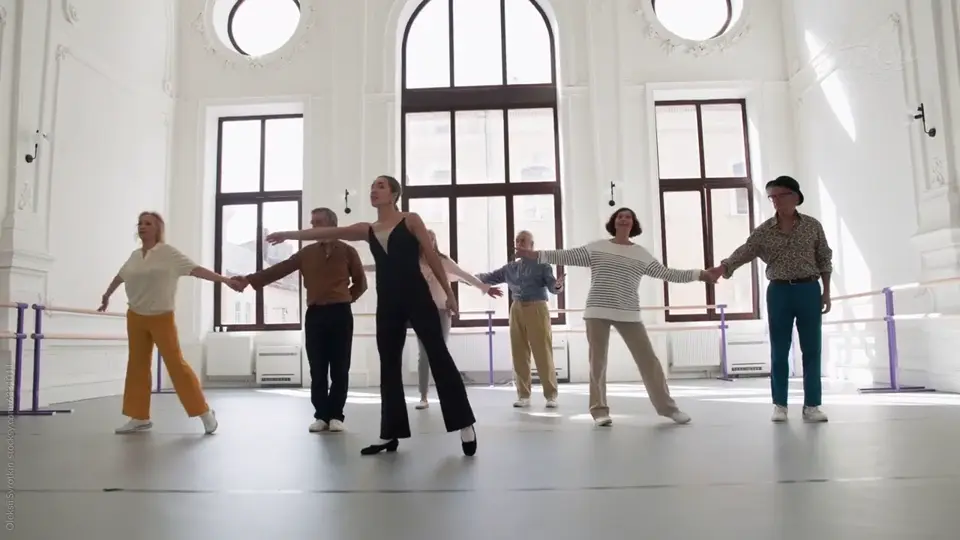



BIG FEELS
A FEELING-FORWARD MOVEMENT STUDIOFOR PEOPLE READY TO STOP MANAGING THEIR EMOTIONSAND START MOVING THROUGH THEM.


Hi, I’m Treen
By age 28, my depression became so bad that it turned somatic. Chronic fatigue syndrome confined me to my bed. No western doctor could help me. What pulled me out wasn't a diagnosis or a prescription but learning, slowly and messily through years of alternative healing, how to actually feel my feelings.
The journey from bedridden to genuinely alive is why I believe so deeply in this work. I'm not teaching a fad bio-hacking wellness trend. I'm sharing the practices that saved my life.
Welcome to Big Feels, my little emo pocket of the universe.
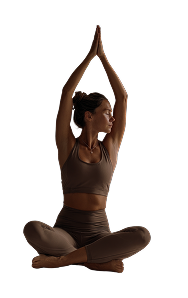
What happens when you actuallyfeel something
People don't come to Big Feels because they're broken. They come because they've tried it all; therapy, yoga, journaling and something still feels like it's missing.
What's missing isn't another tool. It's the experience of feeling something in the presence of an empathic witness. That's what makes things shift; connection, breath, and the courage to stop managing your emotions and start moving through them.
At Big Feels we practice what makes us human, we practice feeling. In a world that profits off our numbness, feeling our feelings in the presence of others becomes a courageous act of resistance.
You can't get it right. There's just the willingness to check in with yourself and let the feelings move.
Healing alone has a ceiling. In a group, people tend to access things they can't reach on their own.
Active breathwork bypasses the analytical mind and opens access to a different kind of knowing. Many spiritual lineages call this heart-centered awareness.
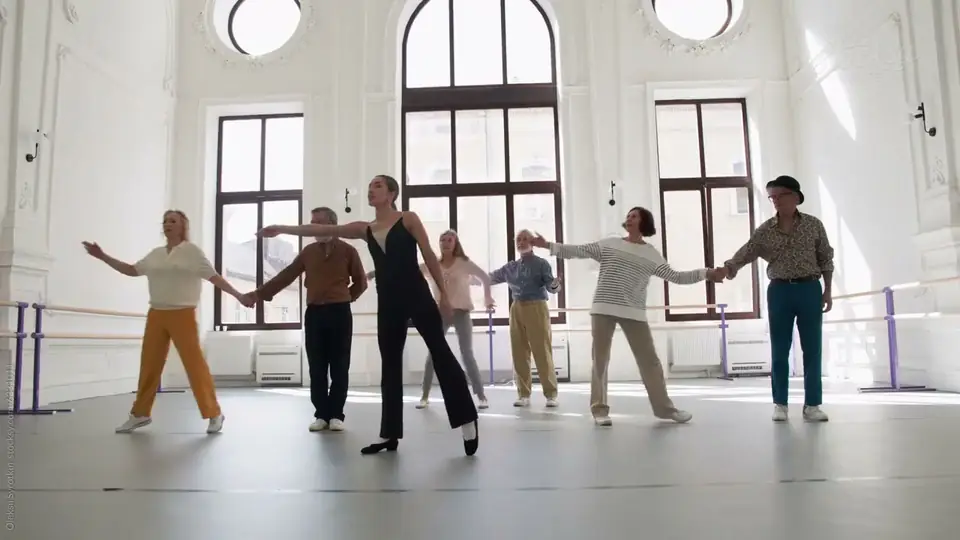
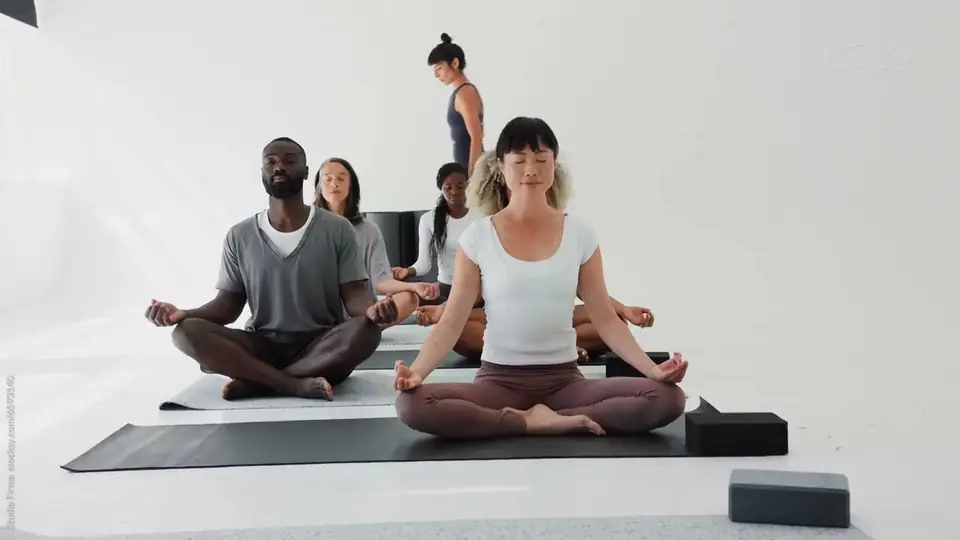

Feel.
Feel something.
Feel something real.
Feel something real, together.
Frequently Asked Questions
What happens when you actually feel something?
Glad you asked because it's actually so cool. Sensory receptors convert physical or chemical stimuli into electrical impulses that shoot along nerve pathways to your brain; physical sensations head to the somatosensory cortex to get mapped, while emotional signals light up the amygdala, which triggers a cascade of neurotransmitters and hormones that activate your autonomic nervous system, which gives you that racing heart, shallow breath, sweaty-palms situation. At the same time, your brain receives a constant stream of feedback from your organs through a process called interoception. It's the combination of that internal body data and your brain's cognitive interpretation that produces what you experience as a feeling. Your body is basically running a sophisticated real-time reporting system, all day, every day.
Why do you care so much about feeling your feelings?
Because the research is pretty hard to ignore. Alexithymia, the clinical term for difficulty identifying and processing emotions, is consistently linked to elevated anxiety, depression, disordered eating, and substance use. Habitual suppression dysregulates the HPA axis, keeping cortisol chronically elevated in ways that wear down immune function and contribute to physical illness over time. The good news? Deliberately directing attention to your internal bodily sensations, through breathwork, meditation, and embodiment practices, actually strengthens the neural pathways involved in interoceptive processing, training your brain to pick up and interpret internal signals with greater accuracy. At Big Feels, we believe you have the power to live a life of fulfillment, freedom, and joy and it all begins by cultivating a relationship to your inner world.
What is breathwork?
Breathwork has become a bit of a catch-all term, so let's be specific about what we offer. The breathwork at Big Feels originates from Treen's teachers David Elliot, Ally Maz, and George Ramsay. It's an active style similar in lineage to Holotropic Breathwork developed by the Grofs at Esalen in the 1970s, though David Elliot's approach was taught to him by a Native elder. It's a three-part breath done entirely through the mouth, which induces a controlled hyperventilation where we can then practice intermittent hypoxia through breath holds. This is just a fancy way of saying that by way of the breath, we're cycling through both low oxygen and oxygen-rich phases. These repetitive mini workouts mimic high-altitude training, prompting positive physiological adaptations, such as improved mitochondrial function, reduced inflammation, increased red blood cell production and a brain state that studies have compared to psychedelic experiences. It is safe for healthy individuals.
Do I need breathwork experience?
Nope. You've been breathing since the moment you arrived on earth. We'll walk you through how to work with the breath to journey to an altered state. First-timers are always welcome and often have the most profound experiences.
What if I cry, laugh, or feel nothing?
All of it is welcome here; the ugly cry, the giggling, the resistance and the numbness. Breathwork and embodiment work are practices. You're practicing feeling, practicing noticing, practicing letting go, so that over time, you can show up in your life with more clarity, levity, and joy. There's no wrong way. Whatever arrives is exactly right for that day. And the good news is, you get to practice again tomorrow if you want.
What will I experience after breathwork?
Everyone is different, but most people walk away with a felt sense of truth, clarity, contentment, and a deeper connection to themselves and others. You might feel a little floaty and out-of-body, which is normal. You might also have a mild emotional hangover, the kind you get after a really good cry. With regular practice, people report greater agency, improved emotional regulation, and more joy.
Is this therapy?
No. Big Feels offers breathwork, embodiment practices, and ontological coaching, all of which can be genuinely supportive tools for self-awareness and personal growth. But they are not a replacement for medical or mental health care. If you're working through something serious, don't quit your therapist.
Are there contraindications for breathwork?
Yes. If you are pregnant, have a history of epilepsy, stroke, or high blood pressure, or are currently experiencing severe PTSD, please consult your doctor before trying active breathwork.
What is ontological coaching?
Ontological coaching is a transformational methodology that focuses on your way of being - the underlying combination of language, emotions, and bodily states that shapes how you perceive and move through the world. Rather than handing you advice, it helps you uncover the unconscious patterns running you so you can create real, lasting change.
We made you a track. Hope you like it. <3

Handlewithcare
Feelings delivered. Sign up for the things worth opening.